What Is the Most Common Dumpster Rental Size and Why?
When you’re staring down a major cleanout, a roofing job, or a mid-sized renovation, the first question that pops into your mind is often: "How big of a container do I actually need?" Choosing the right size is the difference between a smooth, one-and-done project and a costly, frustrating experience involving multiple pickups. This brings us to the key question: what is the most common dumpster rental size, and why has it earned its title as the industry workhorse?
The answer, overwhelmingly, is the
20-yard dumpster.
This size is the Goldilocks of the waste management world—not too big, not too small, but just right for a vast range of residential and commercial projects. Understanding why the 20-yard container is so popular is the first step toward optimizing your project's efficiency and ensuring responsible
waste disposal.
The 20-Yard Advantage: Versatility and Value

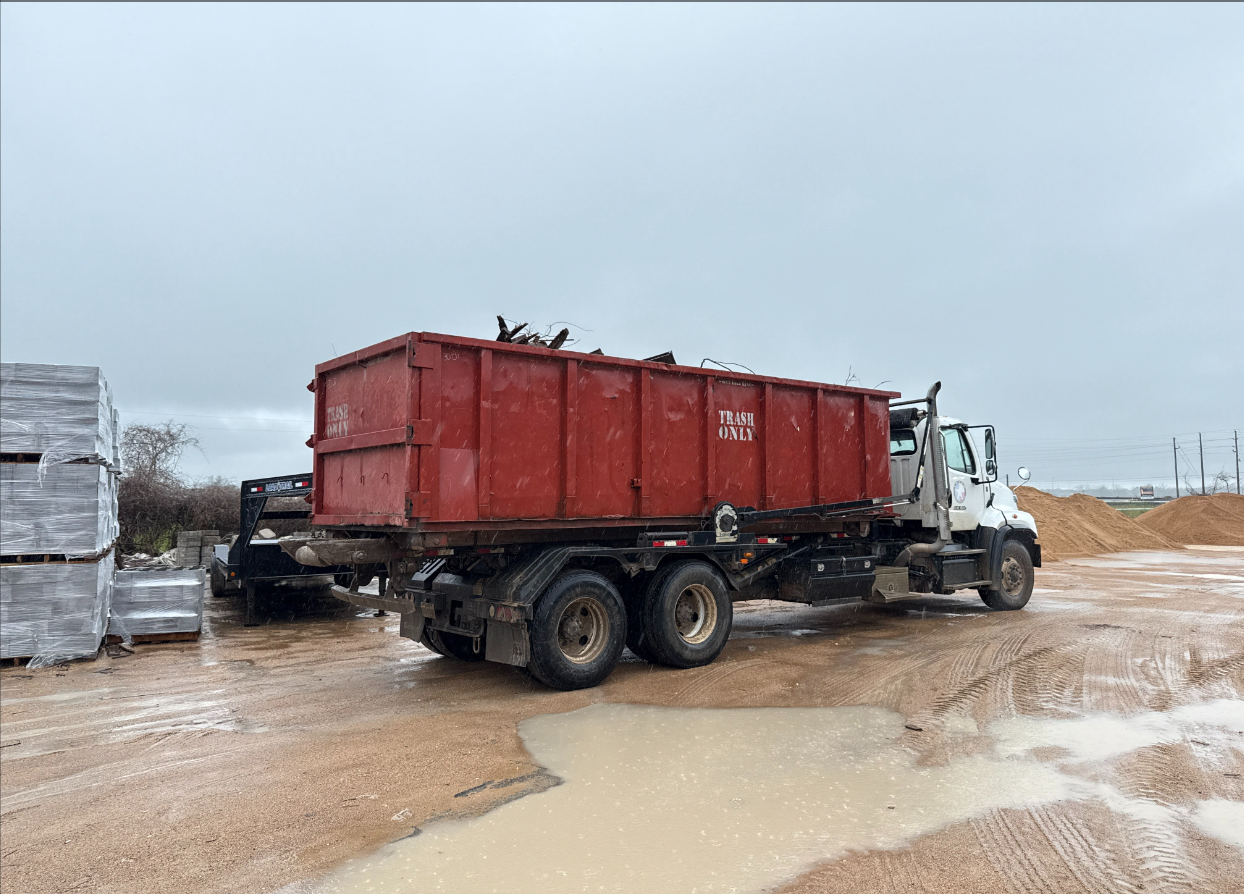
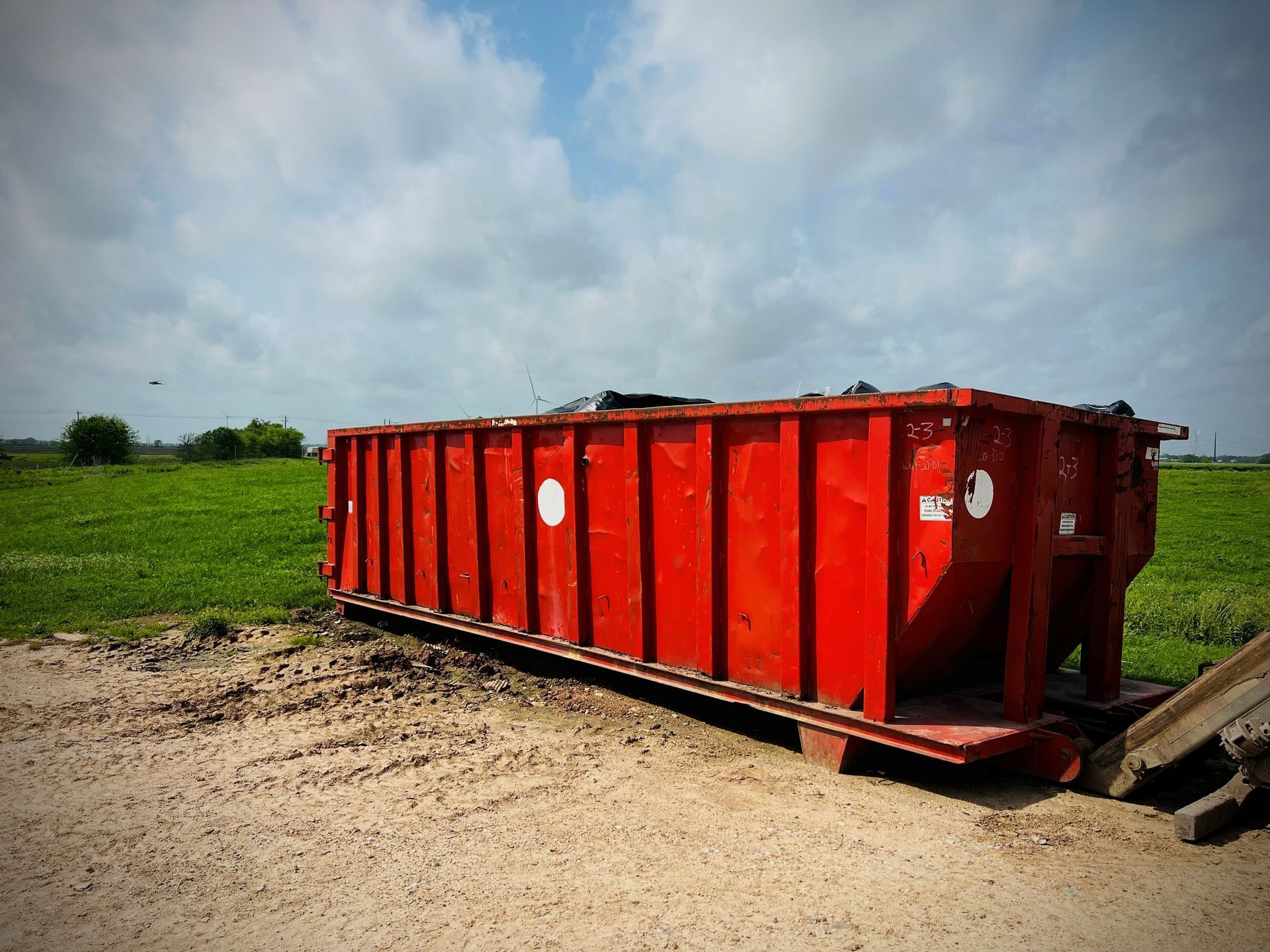
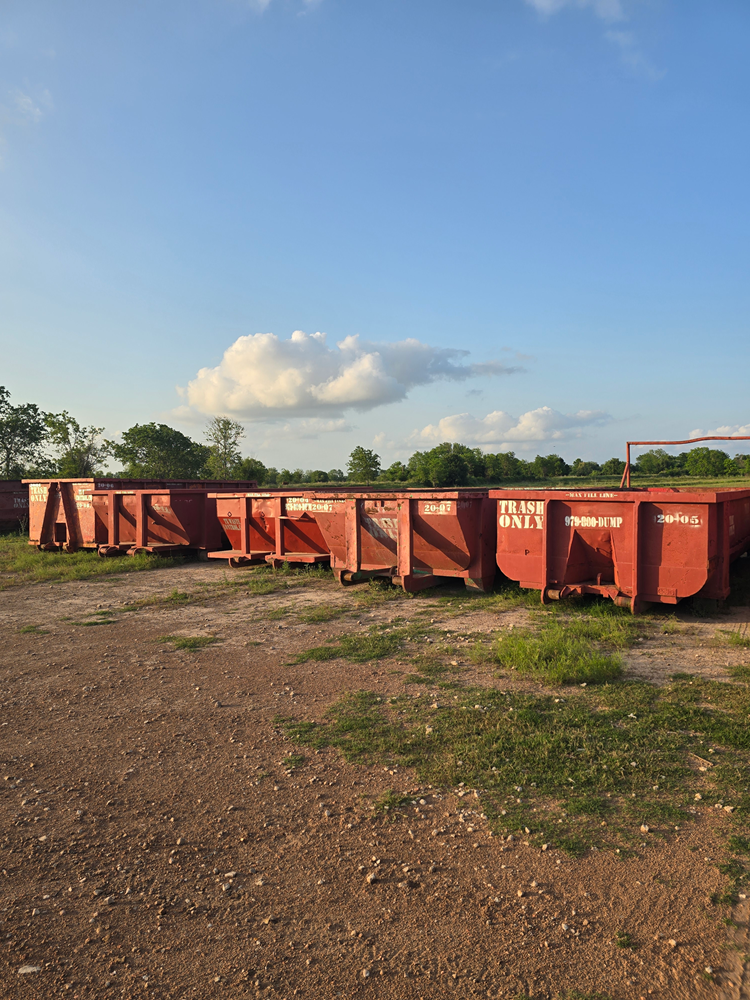
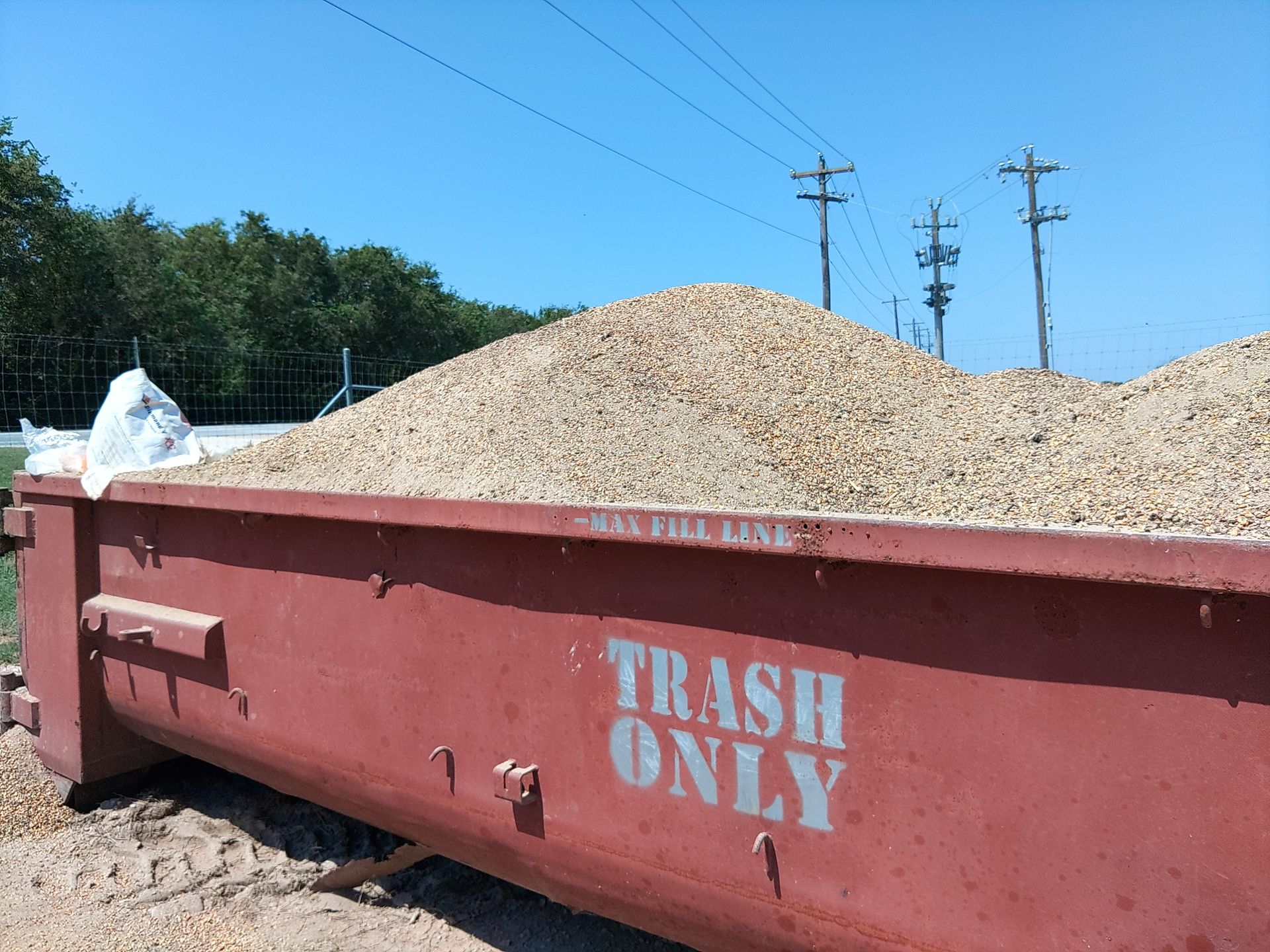
A 20-yard dumpster typically measures about 22 feet long, 8 feet wide, and 4.5 feet high, offering enough capacity to hold approximately 6 truckloads of debris. This makes it the ideal choice for a variety of common projects:
- Major Home Cleanouts: Clearing out a garage, basement, or attic after years of accumulation.
- Roofing Projects: Handling the debris from a complete shingle replacement on a medium-sized home.
- Remodeling: Perfect for a kitchen or two-bathroom renovation, including cabinets, drywall, and flooring.
- Landscaping: Managing large volumes of yard waste, including tree limbs and brush, which can be sent for specialized wood waste recycling.
The 20-yard size strikes the perfect balance between capacity and footprint. It’s large enough to handle significant debris but still manageable to place in most driveways, making the process of securing your dumpster rental from providers like Texas Waste Control straightforward and hassle-free.
Beyond the Bin: Responsible Waste Streams

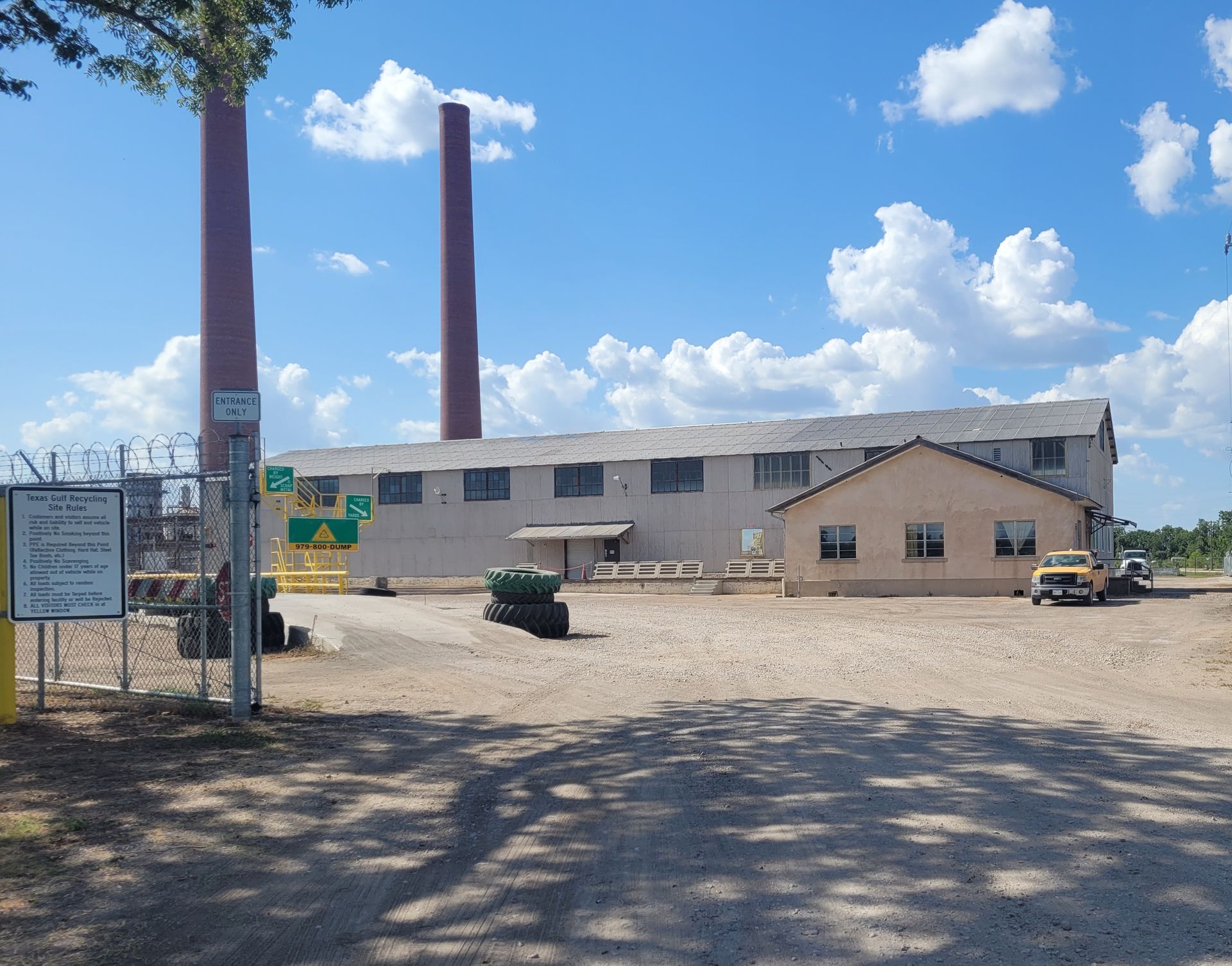
While the 20-yard dumpster is the most common choice for general debris, the contents of your project often require specialized handling. This is where the commitment to sustainability by partners like Texas Gulf Recycling becomes essential. They ensure that your waste is not just hauled away, but properly processed to maximize recovery.
For instance, if your renovation involves tearing out old plumbing or structural supports, that material should be earmarked for
scrap metal recycling. Similarly, if you are demolishing a concrete driveway or patio, Texas Gulf Recycling offers dedicated services for
concrete disposal and recycling, turning rubble into reusable aggregate.
This focus on material recovery is a critical distinction. Once your full container is picked up, it is transported to a state-of-the-art
transfer station or a dedicated
recycle station. Here, the contents are meticulously sorted, ensuring that valuable materials are diverted from the landfill.
Specialized Needs: When to Go Bigger or Smaller

While the 20-yard is the most common, other sizes serve specific purposes:
| Dumpster Size | Typical Capacity | Best For | Sustainability Focus |
|---|---|---|---|
| 10-Yard | 3 pickup truck loads | Small cleanouts, single-room renovations, heavy materials like dirt or rock. | Ideal for small-scale LEED recycling projects. |
| 30-Yard | 9 pickup truck loads | Major construction, large home additions, commercial cleanouts. | Handles large volumes of mixed waste destined for the transfer station. |
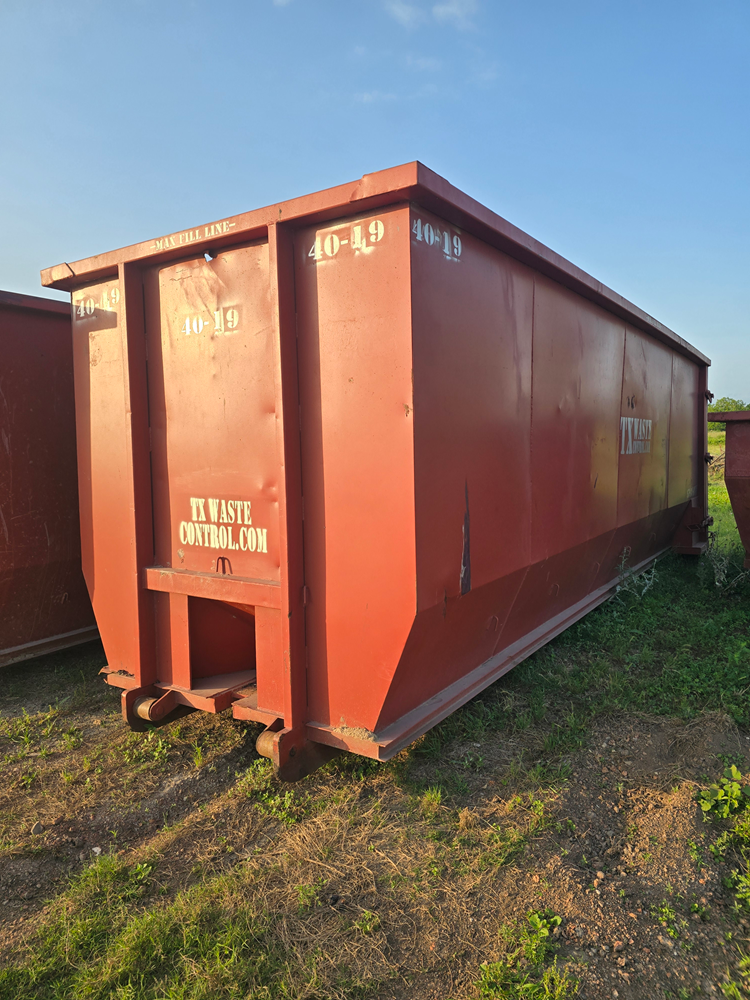
| 40-Yard | 12 pickup truck loads | Demolition, large-scale commercial projects, new construction. | Essential for projects with high volumes of specialized waste, including solar panel recycling from commercial installations. |
For commercial projects, especially those aiming for green building certification, the ability to track and divert waste is paramount. Texas Gulf Recycling’s expertise in LEED recycling helps construction managers meet stringent environmental requirements by providing detailed documentation on material diversion rates.
The Bottomline: The Choice is Clear
Choosing the right dumpster size, particularly the versatile 20-yard container, is a smart logistical decision. But choosing the right partner is a responsible environmental one. Texas Gulf Recycling is more than a service provider; they are a vital link in the chain of sustainable development, ensuring that the debris from your project is handled with the highest level of environmental stewardship.
By integrating reliable
dumpster rental with advanced processing capabilities—from
scrap metal recycling to managing complex streams like
wood waste recycling—Texas Gulf Recycling transforms your project's waste into a resource. Make the choice that benefits your bottom line and the planet.
Ready to secure the perfect dumpster for your project and ensure your waste is handled responsibly?
Contact Texas Gulf Recycling today!